


Blog / GMC Dealer Marinette Wisconsin

GMC Sierra for Work Towing Family and Daily Needs Guide

GMC Sierra for Work Towing Family and Daily Needs Guide

GMC Sierra for Work Towing Family and Daily Needs Guide

GMC Sierra for work duties makes more sense when the truck matches what you carry, tow, and transport each week. A pickup can serve many roles, but every setup changes what the truck can handle. Additionally, each setup changes the tradeoffs. Therefore, start with your routine before you start comparing trims. Think about people, tools, trailer weight, bed cargo, and miles driven. Those details shape the cab, engine, bed, and drivetrain choices that fit your plan.

Start With What the Truck Must Carry

What do you regularly carry in the cab and bed? Start with people, tools, cargo, and trailer tongue weight. Those items all count toward the truck’s payload limit. Therefore, payload deserves attention before you focus on towing numbers.
Therefore, GMC Sierra for work planning starts with payload. Payload measures the weight the truck carries on itself. That includes passengers, bed cargo, accessories, and trailer tongue weight. As a result, a heavily loaded bed can reduce how much weight remains for people or hitch load.
Additionally, the exact Sierra rating changes with cab style, bed length, engine, drivetrain, and installed equipment. Therefore, the door label on the truck matters more than a broad maximum number. That label gives you a closer figure for the specific truck in front of you.
With that in mind, list the tools, materials, or jobsite gear that usually rides in the bed. Then add the people who normally ride in the cab. That simple exercise gives you a clearer starting point before trim shopping.

Match the Sierra to the Work You Do

Which Sierra layout fits regular work tasks? GMC Sierra for work tasks can require different cab and bed choices. The answer comes from cab space, bed length, and the weight you carry. Each choice changes how the truck fits jobsite use.
For this reason, a Regular Cab can favor bed space and payload for drivers who rarely carry rear passengers. A Double Cab adds rear seating while keeping a more compact cabin. By contrast, a Crew Cab gives rear passengers much more room.
Additionally, bed length matters for tools and materials. A shorter bed can make parking and garage fit easier. A longer bed gives more floor length for lumber, equipment, and bulky cargo. Therefore, choose bed space by the items you move most.
Use these work questions before choosing a Sierra setup:
  • Measure the longest tools or materials you carry so the bed length fits your normal load.
  • Count how many people ride with you so the cab layout matches your crew or family.
  • Estimate tool and cargo weight so the truck’s payload rating covers your regular load.
  • Check whether four wheel drive matters for worksites, gravel roads, fields, or winter travel.
In addition, think about how frequently the truck switches roles. A truck used for work all week may need a different setup from one used occasionally. The best fit comes from matching the hardware to the tasks you repeat.

Build Around the Trailer You Own

How much Sierra do you need for your trailer? GMC Sierra for work and towing duties should start with loaded trailer weight. Then compare that weight with the exact truck’s trailering rating.
The 2026 Sierra 1500 can reach a maximum trailering rating of 13,300 pounds in a specific setup. However, not every Sierra 1500 carries that rating. Engine, cab, bed, drivetrain, axle setup, and trailering equipment all matter.
Moreover, tongue weight matters because it presses down on the truck. That weight counts against payload. Therefore, a truck can reach its payload limit before it reaches a headline trailer number.
Therefore, engine choice should follow the trailer and the miles you expect to tow. The Sierra lineup includes TurboMax, 5.3 liter V8, 6.2 liter V8, and 3.0 liter Duramax diesel choices. Each one brings a different mix of torque, fuel use, and available ratings.
Before choosing a towing setup, check these items:
  • Use the trailer’s loaded weight, including cargo, water, equipment, and supplies.
  • Check the exact truck’s trailering label instead of relying on the lineup maximum.
  • Include tongue weight when calculating how much payload remains for people and bed cargo.
  • Match hitch type and trailering equipment to the trailer you plan to pull.
For this reason, towing research should start with your trailer first. Once you know its loaded weight, Sierra configurations become easier to narrow.

Decide How Much Family Space You Need

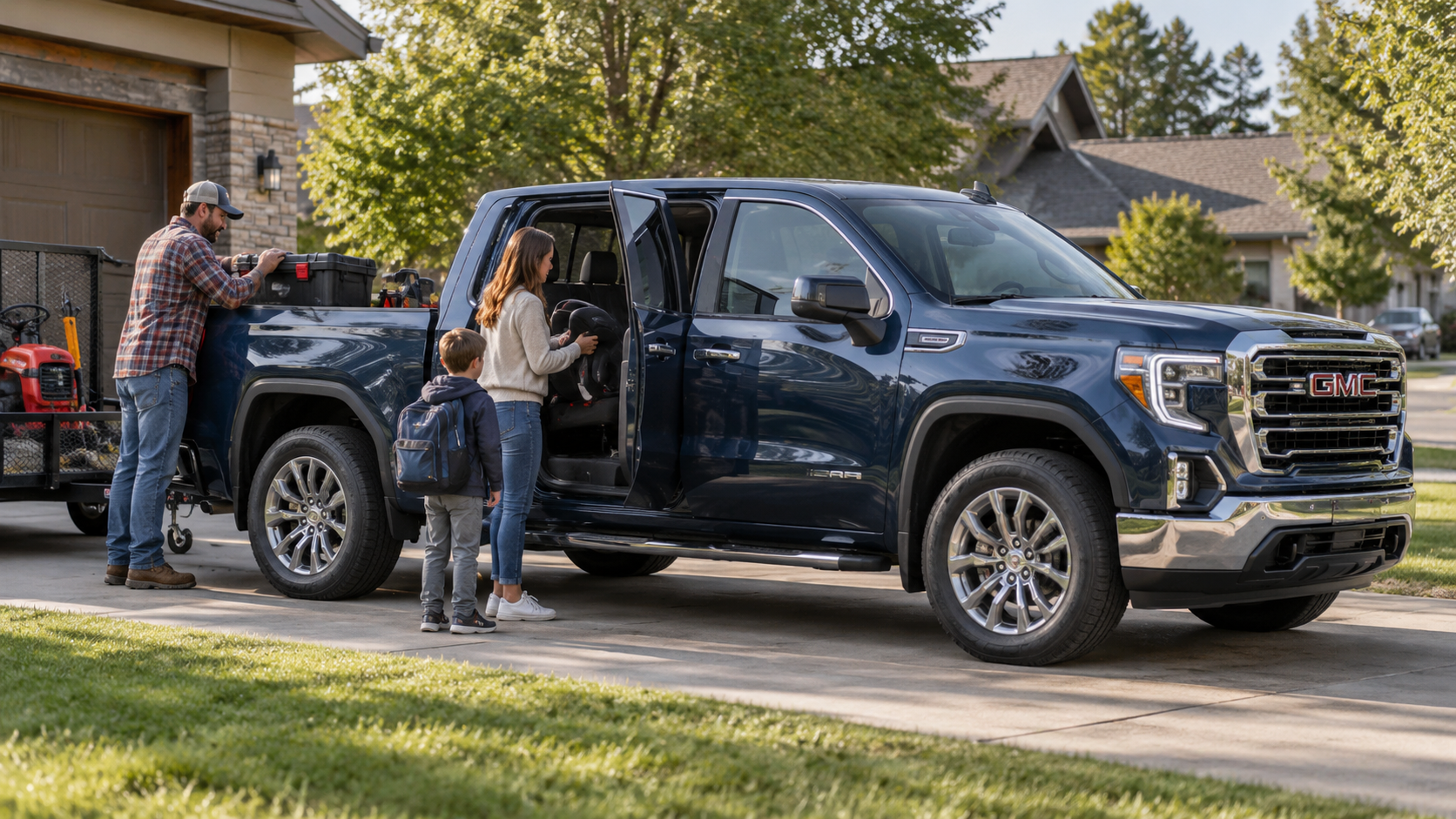
Will your Sierra carry people as much as it carries gear? A GMC Sierra for work can still serve family travel well. If rear passengers ride regularly, cab choice deserves the same attention as engine choice.
GMC lists 43.40 inches of second row legroom in Crew Cab models. Double Cab models list 35.24 inches. That gap matters when adults, teenagers, or child seats use the rear row.
Additionally, a Crew Cab gives more space for legs, bags, and child seat access. However, you should still check the exact bed pairing you want. Cab and bed choices work together, so one decision can narrow another.
Bring the family items you use most when you compare trucks. A child seat, stroller, sports bag, or work backpack can reveal cabin space quickly. In addition, open the rear doors and test entry space before deciding.
Moreover, family duty also changes how you think about storage. Small items, charging cords, jackets, and travel bags need places inside the cab. Therefore, cabin layout matters even when the bed handles larger gear.

Know When Denali Fits the Routine

Does Denali equipment match the way you spend time in the truck? GMC Sierra for work and family use can still make Denali relevant. Denali makes sense when cabin comfort and technology matter alongside truck duties.
In addition, the Sierra Denali adds upgraded seating, distinct interior materials, and available Super Cruise. It also keeps useful truck choices, including two wheel drive or four wheel drive. Therefore, it can suit drivers who split time between work, travel, and family trips.
However, Denali should not replace the configuration check. Start with cab, bed, drivetrain, payload, and trailer needs first. Then decide whether the added cabin equipment fits the time you spend behind the wheel.
Use these questions when Denali is on your list:
  • Decide whether advanced cabin technology matters during long commutes or highway trips.
  • Check whether the Denali cab and bed pairing fits the cargo you carry most.
  • Compare the exact towing rating with your trailer instead of assuming trim level sets the limit.
  • Sit in both rows and test storage so the cabin fits work items and family gear.
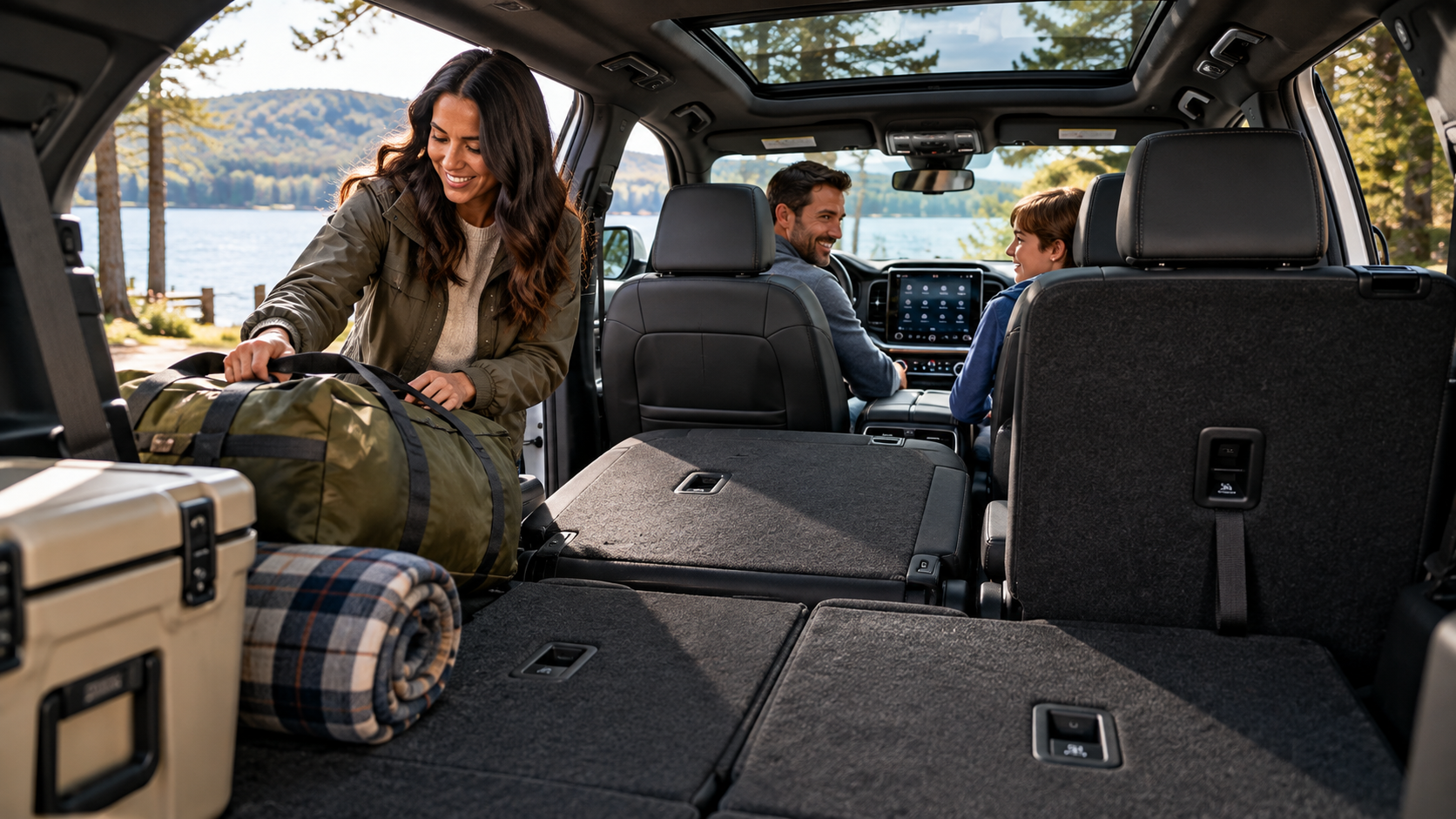
Therefore, GMC Sierra for work use can also cover towing and family travel in the same week. The right setup comes from matching numbers to your routine. Start with what you carry, what you tow, and who rides with you. Then choose the cab, bed, engine, drivetrain, and trim that support those tasks.
Posted in:

Related Posts

GMC Service Tips Every Owner Should Know

Owning a GMC means you've invested in a vehicle built to Professional Grade standards. Whether you're behind the wheel of a Sierra 1500, a Yukon, or a Terrain, keeping up with routine GMC service is one of the best things you can do to protect that investment. Regular maintenance doesn't just extend the life of your vehicle — it keeps it performing the way it was designed to. From oil changes to brake inspections, staying on schedule makes a real difference over time. Why Routine GMC Service Matters Skipping routine maintenance might not seem like a big deal in the short term, but small issues can turn into costly repairs if they go unaddressed. GMC vehicles are engineered to handle tough conditions, but they still rely on regular attention to stay at their best. Following your vehicle's recommended maintenance schedule helps you catch potential problems early, maintain safety systems, and preserve your warranty coverage. It also protects your resale value down the road. Key Maintenance Services to Stay On Top Of GMC service covers a wide range of routine tasks, and each one plays an important role in how your vehicle performs. Oil and filter changes are among the most essential, helping to keep your engine clean and properly lubricated. Tire rotations, brake inspections, fluid checks, and air filter replacements are also part of a well-rounded maintenance routine. If your GMC is an electric model like the Sierra EV or a HUMMER EV, battery health checks and charging system inspections become equally important parts of the service picture. What to Expect During Your First Service Visit If you've recently purchased a new GMC, you may already know that your first service visit is covered. That's a great opportunity to get familiar with the service process and ask questions about your specific vehicle's needs. During a first visit, technicians typically perform a multi-point inspection, check fluid levels, review tire condition, and confirm that all systems are operating correctly. It's a straightforward process designed to give you confidence in your vehicle right from the start. Certified Service Technicians Make the Difference When it comes to GMC service, who does the work matters just as much as what gets done. Certified service technicians are trained specifically on GMC vehicles and have access to the latest tools, diagnostic equipment, and Genuine GMC Parts. Using Genuine GMC Parts ensures that what goes into your vehicle meets the same standards as what came out of the factory. That consistency matters for performance, safety, and long-term reliability. Keeping Your GMC Running Strong in Marinette, WI For drivers in Marinette, Wisconsin, staying on top of routine maintenance is especially important given the demands of Midwest weather. Cold winters and seasonal road conditions can put added stress on tires, brakes, batteries, and fluid systems. Scheduling GMC service before the seasons change is a smart habit. It helps you head into winter or summer with confidence, knowing your vehicle has been inspected and is ready for whatever the road brings. Expert GMC Care for Every Drive Routine GMC service is one of the simplest and most effective ways to get the most out of your vehicle. Whether you drive a canyon-capable Canyon AT4 or a family-sized Acadia Denali, consistent maintenance keeps your GMC performing at the level it was built for. If you're ready to schedule your next service appointment or have questions about what your vehicle needs, the team at Koehne GMC is here to help. Visit us online at Marinette, Wisconsin to get started.

About Koehne GMC: Your Trusted Partner for Professional Grade Vehicles

When you're searching for a dealership that puts your needs first, About Koehne GMC tells a story worth knowing. Located in Marinette, Wisconsin, Koehne GMC has built its reputation on a simple foundation — honest service, a knowledgeable team, and a genuine commitment to the people it serves. Whether you're shopping for a capable truck, a versatile SUV, or an innovative electric vehicle, Koehne GMC is here to guide you every step of the way. Who We Are and What Drives Us About Koehne GMC means more than a name on a building. It reflects a culture of care and professionalism that extends far beyond any single transaction. The team at Koehne GMC understands that buying a vehicle is one of the most significant decisions you'll make, and they take that responsibility seriously. From the moment you arrive, you'll find a staff that listens, answers questions honestly, and helps you find the right fit — not just any fit. A Professional Grade Lineup Built for Real Life One of the most exciting parts of working with Koehne GMC is access to the full GMC lineup of professional grade trucks, SUVs, and electric vehicles. Whether you need the hauling power of the 2026 Sierra HD, the everyday versatility of the 2026 Terrain, or the commanding presence of the 2026 Yukon, there's a GMC model suited to your life. For customers who want the pinnacle of refinement, the Denali line delivers premium materials and elevated features across the entire lineup. And for those who crave off-road capability, the AT4 models bring rugged readiness without sacrificing comfort. Serving the Marinette, WI Community Koehne GMC isn't just a place to buy a vehicle — it's a neighbor. As a locally grounded dealership serving Marinette, Wisconsin, and the surrounding region, the team understands the lifestyle and needs of drivers in this area. Whether you're navigating Wisconsin winters, hauling gear for outdoor adventures, or simply commuting to work, the Koehne GMC team helps match you with a vehicle built for the roads you actually drive. That local knowledge makes a real difference. Committed to Your Ongoing Experience About Koehne GMC also means a commitment that continues long after you've driven home. From routine maintenance to parts and accessories, the team is dedicated to keeping your GMC running at its best. GMC Certified Service experts are trained to know your vehicle inside and out, ensuring that every visit is handled with the same care and professionalism you experienced when you first walked through the door. Your ownership experience matters here. Explore the GMC Lineup With Confidence Shopping for a new vehicles should feel exciting, not overwhelming. At Koehne GMC, you're encouraged to take your time, ask questions, and explore the full range of trucks, SUVs, and electric models available. The team is here to inform and assist — never to pressure. From the capable 2026 Canyon to the all-electric Sierra EV, the GMC lineup continues to evolve, and Koehne GMC stays current so you can too. Visit Koehne GMC Today About Koehne GMC comes down to a simple promise: treat every customer like a neighbor, offer vehicles that deliver real value, and stand behind every sale with integrity. If you're in the Marinette, Wisconsin area and looking for a GMC dealership that puts you first, Koehne GMC is ready to welcome you. Stop by, browse the inventory online at Marinette, Wisconsin or reach out to the team to get started on finding your next professional grade vehicle.

2026 GMC Acadia: Everything You Need to Know About This Mid-Size SUV

2026 GMC Acadia: Everything You Need to Know About This Mid-Size SUV

Choosing a three-row SUV requires more than checking its passenger capacity. The 2026 GMC Acadia specs provide important details about exterior dimensions, seating layouts, cargo space, and mechanical equipment. These measurements deserve attention when planning family travel, navigating Marinette streets, or checking garage clearance. Additionally, the Acadia's four trims offer different seating arrangements and available technology. Understanding these details can make it easier to evaluate a specific configuration before visiting Koehne GMC. 2026 GMC Acadia Exterior Dimensions and Length The 2026 GMC Acadia measures 204 inches long, placing its exterior length at exactly 17 feet. Its wheelbase measures 120.9 inches, representing the distance between the front and rear axle centers. Although both measurements describe vehicle size, they serve different purposes. Overall length identifies the space occupied by the SUV, while wheelbase provides insight into its underlying proportions. The Acadia Elevation measures approximately 79.6 inches wide without mirrors and 87.9 inches with mirrors included. Published specifications also list a height of approximately 71 inches for the Elevation. However, height can vary with trim equipment, tires, and suspension configuration. The AT4 has a raised ride height, so its clearance measurements require separate verification. A 204-inch body requires more than 17 feet of usable garage depth for comfortable parking. For instance, an 18-foot garage leaves only 12 inches of extra space before accounting for movement around the SUV. Additionally, the liftgate needs clearance when opening behind the vehicle. Drivers should measure their parking area rather than relying on garage dimensions alone. Exterior width also deserves attention when parking beside another vehicle. The mirrors extend beyond the body, while opening doors requires further clearance. Therefore, the measurements most relevant to your household include length, mirror width, height, and usable entry space. These figures provide a starting point for assessing whether the Acadia fits your parking arrangements. 2026 GMC Acadia Seating Capacity and Passenger Space The 2026 GMC Acadia accommodates seven or eight passengers, based on its trim and seating configuration. Elevation offers an eight-passenger arrangement with a second-row bench. By contrast, AT4, Denali, and Denali Ultimate feature seven-passenger seating with second-row captain's chairs. The primary distinction is the number and arrangement of seating positions in the middle row. A second-row bench provides three passenger positions, while captain's chairs create two separate seats. This changes how passengers enter the third row and move through the cabin. Additionally, the space between captain's chairs creates a different access arrangement than a bench. Three seating details deserve attention when reviewing Acadia configurations: Eight-passenger Elevation seating: An available second-row bench provides three middle-row positions, preserving seating for eight people across all three rows. Seven-passenger seating: AT4, Denali, and Denali Ultimate use two second-row captain's chairs, creating a passage between the middle seats. Third-row access: The chosen second-row arrangement changes how passengers enter the rear cabin, so test access with your usual passenger group. The Acadia also provides 44.3 inches of front legroom and up to 42.6 inches of front headroom. However, front measurements do not describe available space across every seating row. Taller passengers should inspect second-row legroom and third-row seating before choosing a configuration. Child-seat placement deserves equal attention. Check the locations of approved child restraint anchors, seatbelt positions, and access to nearby seats. Furthermore, install your intended child seats during an inspection when permitted. This verifies whether passengers can enter and exit without interfering with installed restraints. Acadia Cargo Space With Different Seating Arrangements The 2026 GMC Acadia provides three published cargo measurements because storage space changes with the rear seating rows. Each figure represents a separate arrangement of available passenger seats and cargo space. Therefore, maximum cargo volume should never be confused with storage capacity when every seat remains available. GMC lists the following cargo measurements: 23.0 cubic feet behind the third row: This arrangement preserves all three seating rows while providing rear storage for smaller bags and other items. 57.3 cubic feet behind the second row: Folding the third row creates additional storage while retaining seating for front and second-row passengers. 97.5 cubic feet behind the first row: Folding both rear rows creates the maximum published cargo volume for larger loads and equipment. These figures illustrate the relationship between seating arrangements and available storage. A household traveling with seven passengers cannot use the maximum cargo measurement without removing needed seating positions. Moreover, cubic feet represent volume rather than exact cargo-floor dimensions. A long object may exceed the available loading length even when its volume falls below the published maximum. The width between wheel housings and the height of the liftgate opening also matter. Before transporting large items, measure their longest dimensions and compare them against the Acadia's loading area. For weekend trips, check how much luggage fits behind the upright third row. Additionally, consider whether folding individual seatbacks would preserve enough passenger seating. The correct cargo arrangement should accommodate both the people and equipment traveling together. 2026 GMC Acadia Engine and Mechanical Specifications Every 2026 GMC Acadia trim includes a 2.5-liter turbocharged four-cylinder engine producing 328 horsepower and 326 pound-feet of torque. An eight-speed automatic transmission transfers engine output through a range of gear ratios. These specifications describe the powertrain shared across the Acadia lineup. A turbocharger uses exhaust energy to compress air entering the engine. This provides additional intake air that supports greater power production from the engine's displacement. The transmission selects gear ratios to connect engine speed with road speed. Together, these components support acceleration, highway travel, and hauling within the vehicle's rated limits. Elevation, Denali, and Denali Ultimate offer front-wheel drive and all-wheel drive configurations. AT4 includes Active Torque Control AWD as standard equipment. This drivetrain can distribute torque between the front and rear axles and across the rear axle. Additionally, AT4 features an off-road suspension setup, all-terrain tires, and a dedicated Terrain drive mode. The Acadia offers a maximum towing rating of 5,000 pounds when properly equipped. However, maximum trailer weight does not establish the towing limit for every loaded vehicle. Passenger weight, cargo, trailer tongue weight, and installed trailering equipment all require consideration. The Trailering Package supports the Acadia's published maximum rating. Still, the actual vehicle must meet applicable weight restrictions before towing. Review the owner's manual, vehicle labels, and trailer specifications to confirm the permitted load. Proper trailer loading and braking equipment are also essential parts of safe trailering preparation. The Traction Select feature offers selectable driving modes, with available choices varying by configuration. These modes adjust certain vehicle responses for different driving surfaces or towing needs. Even so, tire grip, braking distance, and driver input remain important regardless of the selected mode. Acadia Trim Equipment and Technology Differences The 2026 GMC Acadia lineup includes Elevation, AT4, Denali, and Denali Ultimate. All four share the turbocharged engine and eight-speed transmission, but their equipment packages differ. Examining those distinctions is essential when reviewing the 2026 GMC Acadia specs for a particular trim. Elevation includes a 15-inch diagonal Premium GMC Infotainment display and an 11-inch diagonal Driver Information Center. It also offers a Bose 12-speaker audio setup and heated front seating. The infotainment display supports compatible connected features, including available Google built-in services. AT4 adds equipment suited to travel beyond paved roads. Standard Active Torque Control AWD, all-terrain tires, and an off-road suspension distinguish its mechanical setup. The AT4 also includes protective underbody equipment and a lifted ride height. These differences warrant attention when evaluating tire selection, clearance, and drivetrain equipment. Denali introduces additional interior appointments, including leather-appointed first and second-row seating. Denali Ultimate adds further cabin features and includes Super Cruise driver assistance technology. GMC also offers Super Cruise on other Acadia trims through available equipment. Super Cruise supports hands-free driving on compatible roads when its operating requirements are met. However, it is a driver assistance feature, not autonomous driving. The driver must remain attentive and prepared to take control. Eligible service plans and the installed equipment must also be confirmed. GMC lists more than 19 standard safety and driver assistance features for the 2026 Acadia. These include Enhanced Automatic Emergency Braking, Blind Zone Steering Assist, and Rear Cross Traffic Braking. Additional technology includes available camera views and a configurable Head-Up Display. Camera features deserve separate verification because equipment varies across the lineup. The Acadia offers nine camera views, with further viewing choices available through certain equipment packages. Additionally, camera displays supplement direct observation rather than replacing it. Review the exact vehicle's feature listing before assuming a particular camera or driver assistance feature is installed. What to Confirm Before Selecting a 2026 GMC Acadia Published specifications establish a useful starting point, but individual configurations deserve closer examination. A vehicle's trim, drivetrain, seating layout, and optional equipment shape what is included. Therefore, research should move from general model measurements to the details of the specific Acadia under consideration. Before choosing a configuration, review these three areas: Exterior dimensions and parking space: Measure your garage and regular parking areas against the Acadia's full length, mirror width, and height. Seating and cargo arrangements: Confirm the required passenger count, second-row layout, third-row access, and storage space with your intended seats upright. Mechanical and technology equipment: Verify drivetrain configuration, trailer ratings, installed safety features, and the availability of desired driver assistance technology. These checks connect the Acadia's published measurements with your household's regular travel plans. They also distinguish equipment found on a specific vehicle from features advertised across the wider model lineup. For additional vehicle information, explore Koehne GMC model research to review GMC features and specifications. You can also browse current new GMC inventory to identify available Acadia configurations. Because inventory and optional equipment can change, confirm the details of any vehicle that interests you. Bring your passenger requirements, parking measurements, and expected cargo needs when visiting Koehne GMC in Marinette. If towing is part of your plans, include trailer specifications and planned loading weights. These details give you a clear starting point for examining a specific Acadia and confirming its fit for your household.