


Blog / Marinette GMC Service

What to Expect GMC Service Appointment Guide for Your Visit

What to Expect GMC Service Appointment Guide for Your Visit

What to Expect GMC Service Appointment Guide for Your Visit

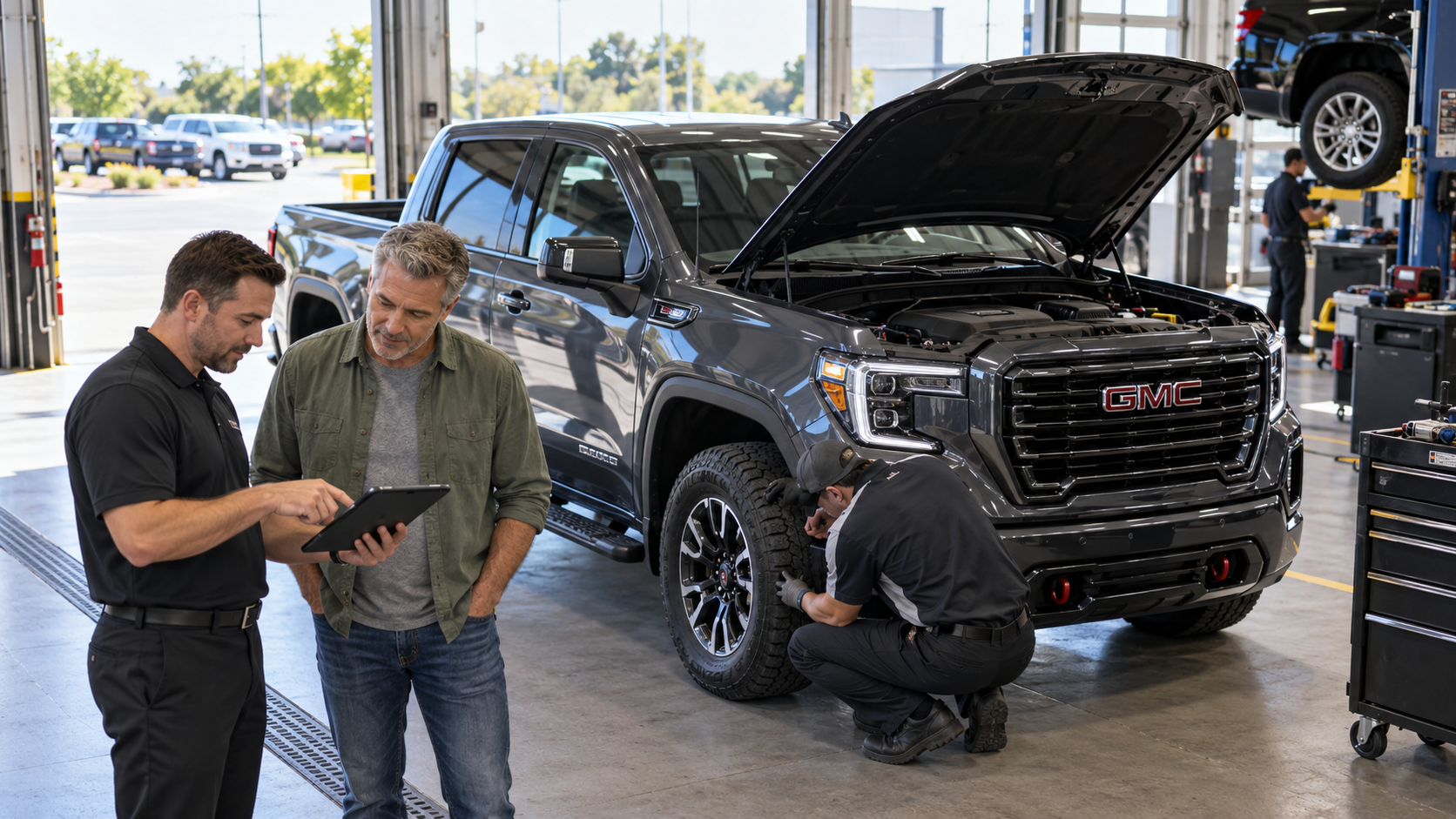
What to expect GMC service appointment guidance should make each part of your visit easier to follow. A clear visit begins with a clear request. It continues through check in, inspection, approval, updates, and pickup. Therefore, each step should tell you what is happening and what comes next.

Start With a Clear Service Request

What should the service team know when you arrive? The advisor needs the requested work and a clear description of any concern. That starting record gives the technician a focused place to begin.
Bring details about warning lights, noises, leaks, vibrations, or changes you have noticed. Additionally, explain when each issue appears. A noise during braking points toward a different check than a noise during turning. Therefore, timing and context can narrow the first inspection steps.
Additionally, service history can add useful context. Records may show recent maintenance, replaced parts, or past repairs tied to the same concern. In addition, those details can prevent duplicate work or repeated testing.
The advisor should also confirm how the service team can reach you. A phone call or text may be needed later. Therefore, make sure the preferred contact method is correct before you leave.
A GMC service visit works best when the starting request is specific. You do not need technical terms. Instead, describe what you noticed and when it happens.

Understand What Happens After Check In

Why can two appointments take different amounts of time? Routine maintenance and diagnostic work move through different service paths. Therefore, the original request shapes what happens after check in.
An oil change follows a known sequence. The technician drains the old oil, replaces the filter, adds fresh oil, and checks related items. Additionally, another scheduled service may follow its own defined procedure.
A warning light can require more testing. The technician may scan for fault codes and inspect related parts. However, a code alone may not identify the repair. More testing may be needed before the cause is clear.
Moreover, parts can change the timeline. A needed component may not be on hand. In addition, another repair may require more labor than the first estimate allowed.
For this reason, the appointment time should be viewed as the start of the service process. It is not a fixed finish time. Clear updates become more important when the original timeline changes.

Know What a GMC Inspection Can Find

What does the technician review beyond the original request? A multipoint inspection checks several areas that may need attention now or later. Therefore, the inspection can reveal items outside the scheduled service.
The inspection may include tires, brakes, fluid levels, the battery, wipers, and visible leaks. Additionally, the technician may note wear that does not require immediate work. That information supports future maintenance planning.
A useful inspection report should separate current needs from items that can wait. It should also explain what the technician found. Therefore, the report becomes easier to discuss before added work begins.
Common inspection points may include:
  • Tire tread and air pressure can show whether the tires need service, rotation, or replacement.
  • Brake measurements can show remaining pad material and whether more brake work needs attention soon.
  • Fluid checks can identify low levels, leaks, or service needs tied to normal maintenance intervals.
  • Battery testing can show charge level and cranking strength before a no start issue develops.
A finding does not mean added work should begin without a conversation. Instead, the advisor should explain the concern and the proposed repair. You should also know the updated price before giving approval.

Review Added Work Before Approving It

What should you know before approving another repair? You should know what the technician found and what the proposed repair includes. The updated estimate should also be clear.
A revised price can include parts, labor, shop charges, or other listed items. Therefore, ask what changed from the original request. The advisor should connect the new amount to the new repair.
Diagnostic work may also create a new decision point. Testing can confirm a failed component or another source of the concern. Additionally, that result may change the work needed to complete the repair.
Clear communication matters most when the repair scope changes. You should know whether the new work changes the pickup time. In addition, you should know whether the vehicle can be driven safely if the repair waits.
The approval step gives you a chance to review the new information. Therefore, do not treat added work as automatic. Ask questions until the repair, cost, and timing are clear.

Use Updates and Pickup to Close the Visit Clearly

What should you know before taking your GMC home? You should know what work was completed and what the technician found. You should also know whether any item still needs attention.
Useful updates should arrive when something changes. A new finding, delayed part, revised estimate, or new completion time can all require contact. Therefore, each update should explain what changed and what happens next.
Before leaving, review the final paperwork and the work that was completed. The pickup conversation should close the loop from the first service request.
Key pickup checks can include:
  • Confirm that the final invoice matches the work you approved during the visit.
  • Review inspection notes so you know which items were serviced and which items may need later attention.
  • Ask whether any warning light, noise, or reported concern still needs further testing.
  • Confirm the next suggested maintenance item and when the service team recommends checking it again.
Additionally, ask for clarification if any line item is unclear. The final explanation should match the work listed on the invoice. Therefore, the pickup step should leave little room for uncertainty.
A clear GMC service visit is not measured only by speed. Clear information at every handoff matters just as much. With that in mind, you should leave knowing what was requested, found, approved, and completed.
Posted in:

Recommended Posts

GMC Sierra 1500 vs Ram 1500 for Wisconsin Truck Use

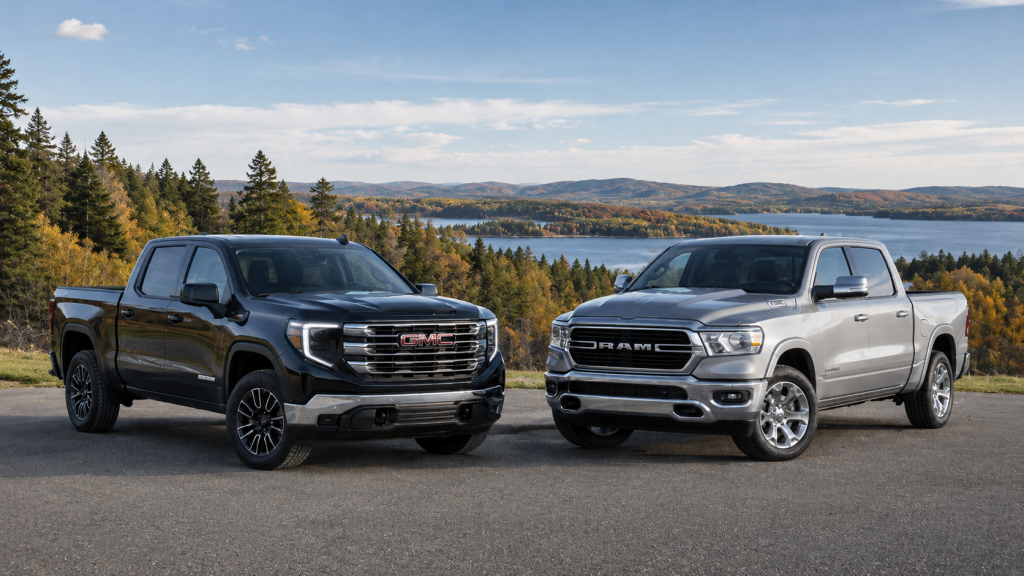
GMC Sierra 1500 vs Ram 1500 decisions get more complex when Wisconsin towing, snow, passengers, and cargo enter the picture. Both pickups offer several engines, cab layouts, drivetrains, and trim choices. Therefore, comparing badges alone can hide the differences that shape daily truck use. A closer look at configuration reveals which differences matter. In addition, trailering hardware, traction equipment, cargo access, and cabin features deserve review. GMC Sierra 1500 vs Ram 1500 Starts With Configuration Why can two trucks from the same model line carry different tow ratings? A tow rating reflects the engine, cab, drivetrain, axle, bed, and trailering equipment on that truck. The Sierra 1500 and Ram 1500 both offer several powertrain and body choices. Therefore, the maximum published figure does not apply to every truck on a dealer lot. A Crew Cab 4x4 model may carry a different rating from another cab or drivetrain setup. Additionally, engine choice changes how each truck handles loaded travel. The Sierra lineup includes gasoline engines and an available 3.0 liter Duramax diesel. Ram offers V6, Hurricane inline six, and HEMI V8 choices for 2026. more For Wisconsin truck shoppers, this means the comparison should begin with the job. A boat, utility trailer, camper, or work trailer places different demands on a pickup. Therefore, shoppers should match the trailer and cargo load to the exact truck configuration. The Monroney label, trailering guide, and vehicle specific ratings provide the needed details. In addition, shoppers should verify payload on the truck itself. That figure can change with trim, cab, drivetrain, and installed equipment. What Should You Compare Before Towing? A towing setup combines trailer weight, payload, tongue weight, hitch equipment, and the truck's published ratings. Each part works together when the truck is loaded. The Sierra 1500 carries a higher published maximum tow rating for 2026 than the Ram 1500. However, shoppers should not stop at the headline number. The specific truck still needs enough payload and the correct trailering equipment. Tongue weight becomes part of the truck's carried load. Passengers, tools, coolers, and bed cargo use that same payload allowance. Therefore, a trailer can fit the tow rating while the total loaded setup still needs closer review. Sierra trailering equipment can include Tow Haul mode, grade braking, camera views, and available trailering packages. These features support hitching, reversing, and loaded travel. Ram also offers towing technology and trailer focused equipment across several trims. Before choosing either truck, compare: The truck's specific tow rating should match the loaded trailer weight, not an empty brochure figure. Payload should account for passengers, cargo, hitch weight, and other items carried inside or on the truck. Trailering equipment should match the hitch type, trailer brakes, electrical connection, and planned towing routine. A Wisconsin owner who tows a camper north for weekends may value different equipment from a contractor hauling tools. Therefore, the strongest comparison uses the exact trailer and cargo plan. Winter Traction Requires More Than Four Wheel Drive Is four wheel drive enough for Wisconsin snow? Four wheel drive sends engine torque through both axles, while the tires create grip at the road surface. That distinction matters on packed snow, slush, and ice. A 4x4 truck still relies on tire tread, rubber compound, and driver inputs. Therefore, winter tires can change grip even when two trucks use similar driveline layouts. Sierra shoppers can also look at X31 equipment and off road focused trims such as AT4. These configurations add hardware aimed at rougher surfaces and lower traction routes. Ram offers its own off road packages and trim choices. In addition, ground clearance deserves attention where plowed snow builds near driveways, rural roads, or work sites. However, more clearance does not replace proper tires. Braking and steering still depend on the contact patch at each tire. For Wisconsin winter use, review: Tire type should match expected snow and ice travel, since tread and rubber compound shape available grip. Four wheel drive hardware should be tested so the driver knows how engagement works before a storm arrives. Recovery points, underbody protection, and clearance may matter for rural roads, job sites, or deep snow. Road salt adds another regional concern. Therefore, regular washing around wheel wells and underbody areas deserves a place in winter care. Shoppers comparing used trucks should also inspect exposed metal, brake lines, and fasteners for corrosion. Cab and Bed Choices Change More Than Space Does cab choice change more than passenger room? Cab and bed selections change body dimensions, curb weight, seating space, and available truck configurations. Crew Cab models give rear passengers more room, which can suit families or work crews. However, that larger cab also changes the overall truck setup. Therefore, shoppers should review the rating for the exact cab and bed combination they plan to purchase. Beyond that, bed design creates another clear difference between these pickups. GMC offers the available MultiPro Tailgate with several positions for loading, access, and work tasks. Ram offers available RamBox storage built into the bedside area. Those designs solve different problems. MultiPro can make bed access easier and create alternate tailgate positions. By contrast, RamBox gives owners lockable storage outside the main bed floor. A shopper carrying long lumber may value open bed space and tailgate access. Another owner may place more weight on secure storage for straps, tools, or smaller gear. Therefore, cargo routines should shape the comparison. Furthermore, cab choice changes how people and gear share space. Rear seats may carry passengers during the week and equipment on other days. In addition, bed length can matter when hauling building materials, outdoor gear, or larger household items. What Does Sierra Denali Add to the Decision? Denali is an upper Sierra trim that adds distinct cabin equipment and available driving technology. It should be compared as a specific trim, not as the whole Sierra lineup. Additionally, the cabin uses its own materials, trim details, and feature mix. Available Super Cruise also gives Denali shoppers another technology consideration for compatible roads. Therefore, frequent highway travel may place greater weight on this trim level. A Ram shopper considering an upper trim should compare the same categories. Seat materials, display layout, driver assistance technology, audio equipment, and cabin storage all deserve review. The goal is to compare equipment that will be used, not trim names alone. Denali also keeps the core truck questions in place. Towing needs, payload, drivetrain, cab choice, and bed layout still matter. Therefore, added cabin equipment should come after the truck meets the required work and travel needs. For Wisconsin drivers, the final choice should reflect towing plans, winter travel, passenger space, and cargo routines. GMC Sierra 1500 vs Ram 1500 comparisons become clearer when each truck is matched to those needs. A test drive can then focus on seating, controls, visibility, ride feel, and the equipment you expect to use most.

GMC Winter Accessory Packages for Wisconsin Weather

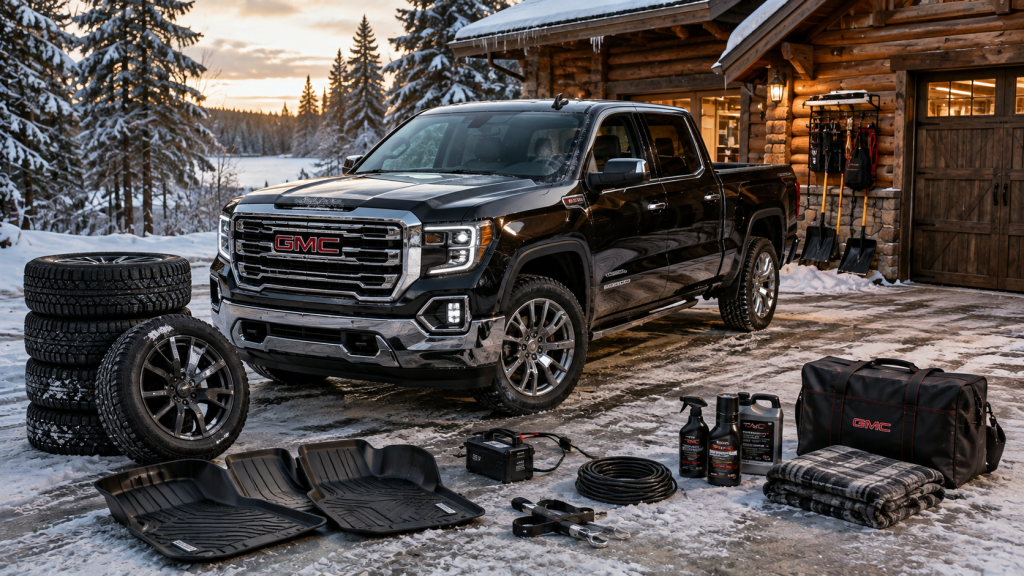
GMC winter accessory packages make more sense when each item answers a specific Wisconsin cold weather concern. Tires address grip on snow and ice. Underbody protection addresses salt and brine. Floor liners contain melted snow inside the cabin. Block heaters support very cold starts on compatible GMC models. Therefore, the strongest winter plan starts with the problems your GMC will face. GMC Winter Accessory Packages Should Start With the Road Which GMC winter accessories should come first? A winter accessory plan matches specific equipment with traction, corrosion, moisture, and cold start concerns. Wisconsin roads can shift from dry pavement to snow, slush, and ice within a single trip. Therefore, accessory choices should begin with the routes you drive. Rural roads, highways, job sites, and city streets place different demands on a GMC. more In addition, road salt and brine create another issue beneath the vehicle. Those materials collect around seams, fasteners, suspension parts, and other exposed metal. Cabin moisture also rises as boots carry snow and grit inside. Because each problem is different, one accessory cannot cover every winter need. Tires manage road contact. Floor liners manage cabin debris. Protective coatings shield selected underbody areas. A block heater serves a separate cold start role on compatible models. For this reason, owners should rank winter equipment by the problems they face most. That approach makes the accessory list easier to evaluate. Do You Need Winter Tires With Four Wheel Drive? Winter tires use cold weather rubber and specialized tread patterns to create grip on snow and ice. Four wheel drive handles torque distribution through both axles. Those two functions work together, but they are not the same. Therefore, a four wheel drive GMC can still gain from tires made for cold weather. Tire rubber, tread depth, and sipes all shape how the contact patch interacts with the road. As temperatures fall, winter tire compounds stay more pliable than many all season compounds. That pliable rubber lets the tread conform more closely to uneven winter surfaces. Sipes also create extra biting edges across snow and packed ice. GMC owners should review these tire details before choosing a seasonal set: Winter tire size must match the vehicle and wheel specifications listed for that GMC. Tread depth should remain sufficient for snow evacuation and wet road drainage. Tire pressure should be checked because cold temperatures can lower pressure readings. A Sierra, Canyon, Yukon, Acadia, or Terrain may use different wheel and tire combinations. Therefore, owners should verify fitment before buying a seasonal set. Protecting the Undercarriage From Wisconsin Salt What does undercoating protect from Wisconsin road salt? Undercoating places a protective layer over selected underbody surfaces facing salt, brine, moisture, and road debris. Salt speeds corrosion when moisture and exposed metal remain in contact. Therefore, the underbody deserves attention before winter treatment begins. Existing rust, loose material, and trapped dirt should be inspected first. Truck frames, suspension hardware, brake lines, seams, and fasteners can all sit in salt spray. In addition, wheel wells and lower body areas collect slush during winter travel. Protective coatings can form a barrier over selected surfaces. Owners should inspect several areas before winter: Frames and crossmembers can show surface corrosion where coating has worn away. Brake lines and fasteners deserve inspection because salt can collect around exposed metal. Wheel wells and lower seams can trap moisture, grit, and brine after winter travel. Undercoating does not replace cleaning or inspection. Therefore, periodic washing remains useful after heavy salt contact. A technician should also identify existing corrosion before applying a new protective layer. For Wisconsin GMC owners, the main goal is simple. Protect clean metal early, then keep checking the areas receiving the most road spray. Keeping Snow and Slush Out of the Cabin Are all weather liners more than an appearance upgrade? Molded floor liners contain water, snow, ice, salt, and debris before those materials spread across carpeting. That containment matters during a Wisconsin winter. Boots carry slush into the cabin, where it melts into water mixed with grit and salt. Therefore, raised edges and molded channels serve a functional role. Model specific liners fit around the floor contours of a Sierra, Canyon, Yukon, Acadia, or Terrain. A precise fit also reduces open gaps near the edges. In addition, deeper channels give melted snow a place to collect away from surrounding carpet. Owners should remove the liners when pooled water or debris builds up. Then the liner can be emptied and cleaned before returning to the cabin. This routine keeps salt residue from sitting inside for weeks. Carpeted mats may still suit dry months. However, molded winter liners make more sense when snow and slush enter the vehicle. They also make spring cleanup easier after months of wet boots and road grit. When Does an Engine Block Heater Make Sense? An engine block heater warms engine components and fluids before startup in very cold temperatures. Availability varies by GMC model and configuration. A block heater works before the engine starts. Therefore, the owner connects it to an external power source for a set period. The added heat can make very cold starts less demanding on the engine. Current Sierra HD configurations provide a clear GMC example. Some offer an engine block heater as factory or available equipment. However, owners should verify the equipment list for their exact truck. Does every Wisconsin GMC need one? No. Local temperatures, parking location, engine type, and factory equipment all shape the decision. A garage parked vehicle may face different cold from a truck that sits outside overnight. In addition, an owner should confirm the correct connection method and operating instructions. The owner's manual provides model specific guidance for installed equipment. GMC winter accessory packages work best when each item answers a clear seasonal problem. Start with tires, then review salt protection, cabin moisture, and cold start needs. That gives Wisconsin owners a focused plan before snow and road salt return.

2026 GMC Acadia: Everything You Need to Know About This Mid-Size SUV

The 2026 GMC Acadia is one of the most well-rounded mid-size SUVs on the market today. Whether you're hauling the family around Marinette, WI, or heading out for a weekend adventure, the Acadia is built to handle it all with confidence, comfort, and capability. more Trims: Finding the Right 2026 GMC Acadia for You The 2026 GMC Acadia comes in four distinct trim levels - Elevation, AT4, Denali, and Denali Ultimate - each designed to meet a different kind of driver. The Elevation is the starting point, offering a strong foundation with a 2.5-liter turbo engine producing 328 horsepower and 326 pound-feet of torque, a Bose 12-speaker audio system, and over 19 standard safety and driver assistance features. The AT4 steps things up for drivers who want off-road capability, adding an Active Torque Control AWD system, off-road-tuned suspension, and all-terrain tires. The Denali and Denali Ultimate trims add premium touches like leather-appointed seating, a configurable 8-inch diagonal Head-Up Display, and available massaging front seats. Interior Comfort and 3rd Row Seating One of the standout qualities of the 2026 GMC Acadia is its spacious, well-designed interior. It seats up to eight passengers, making 3rd row seating a practical feature for growing families or those who regularly travel with a larger group. When you need to carry more gear than people, the Acadia delivers up to 97.5 cubic feet of maximum cargo volume with the second- and third-row seats folded. With all seats in use, there's still 23.0 cubic feet of space behind the third row - plenty for weekend bags and grocery runs alike. Every trim also comes standard with heated front seats, a heated steering wheel, and Remote Start, so comfort is built in from the start. Technology That Keeps You Connected The 2026 GMC Acadia brings a thoughtful blend of technology to every drive. Standard across all trims is the 15-inch diagonal Premium GMC Infotainment System with Google built-in compatibility, wireless Apple CarPlay and Android Auto support, and an 11-inch diagonal Driver Information Center. For those who want even more, available Super Cruise hands-free driver assistance technology lets you relax on compatible roads with confidence. The Denali Ultimate includes Super Cruise as a standard feature with a three-year OnStar plan. Nine camera views, including HD Surround Vision and a Rear Camera Mirror, make parking and maneuvering in tight spaces much easier. Safety You Can Count On The 2026 GMC Acadia takes safety seriously, and it shows. Every trim comes with more than 19 standard safety and driver assistance features, including Enhanced Automatic Emergency Braking, Blind Zone Steering Assist, Adaptive Cruise Control, Lane Keep Assist with Lane Departure Warning, Rear Cross Traffic Braking, and Rear Pedestrian Alert, among others. That's a comprehensive list designed to give you and your passengers added peace of mind on every trip. Whether you're merging onto the highway or backing out of a crowded parking lot, the Acadia has technology in place to help keep everyone safer. Capability Built for Adventure The 2026 GMC Acadia isn't just comfortable - it's capable. The standard 2.5-liter turbo engine pairs with an 8-speed automatic transmission for smooth, confident performance. With the available Trailering Package, all trims can tow up to 5,000 pounds, making it a solid choice for light trailering needs. The Traction Select System gives drivers access to up to six drive modes to adjust performance based on road conditions. The AT4 trim adds an exclusive Terrain Mode for more demanding off-road situations. Whether you're navigating wet roads or venturing onto gravel trails, the Acadia gives you the tools to handle it with control. Visit Koehne GMC to Explore the 2026 GMC Acadia If you're in the market for a mid-size SUV that checks every box - versatile 3rd row seating, cutting-edge technology, strong safety features, and genuine capability - the 2026 GMC Acadia deserves a closer look. or visit Koehne GMC to browse current inventory and find the Acadia trim that fits your life.